Ingredient dictionary
What each K-beauty active actually does, without the marketing. Every entry links to the products in our catalogue that contain it.
The number is irritation risk: 1/3 low · 2/3 moderate · 3/3 high
Niacinamide
Vitamin B3. Evens out tone, lowers oil production and refines the look of pores. The most versatile K-beauty active: it plays well with almost everything and even sensitive skin tolerates it.
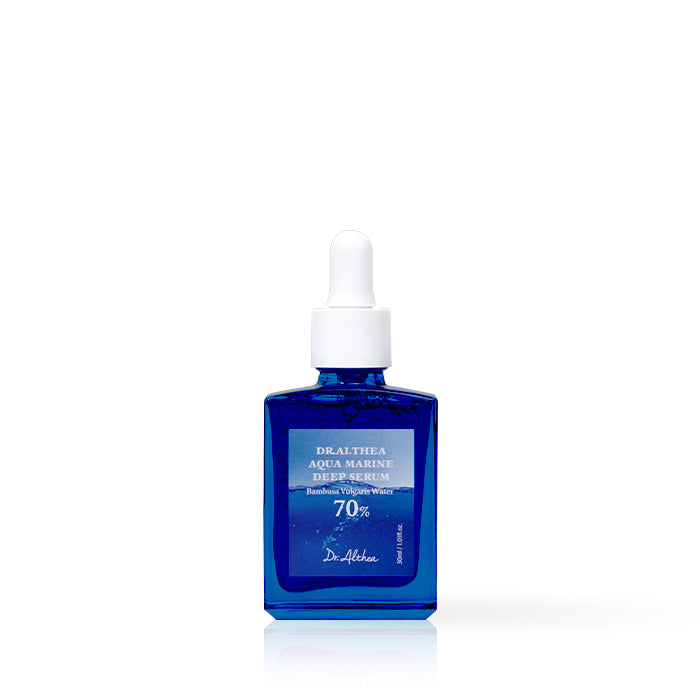
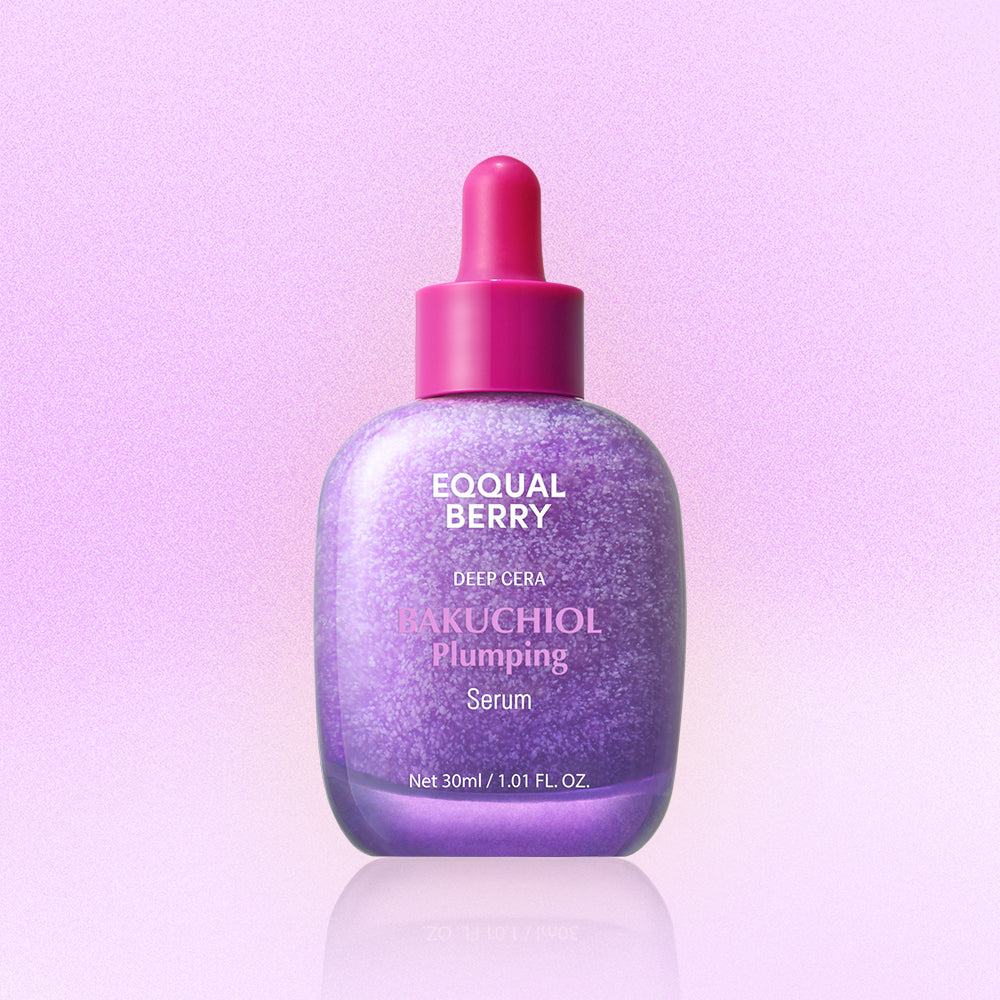
Hyaluronic acid
Holds water in the upper layers, so skin looks plumper and less dull. It doesn't moisturise on its own: apply on damp skin and seal it with a cream.
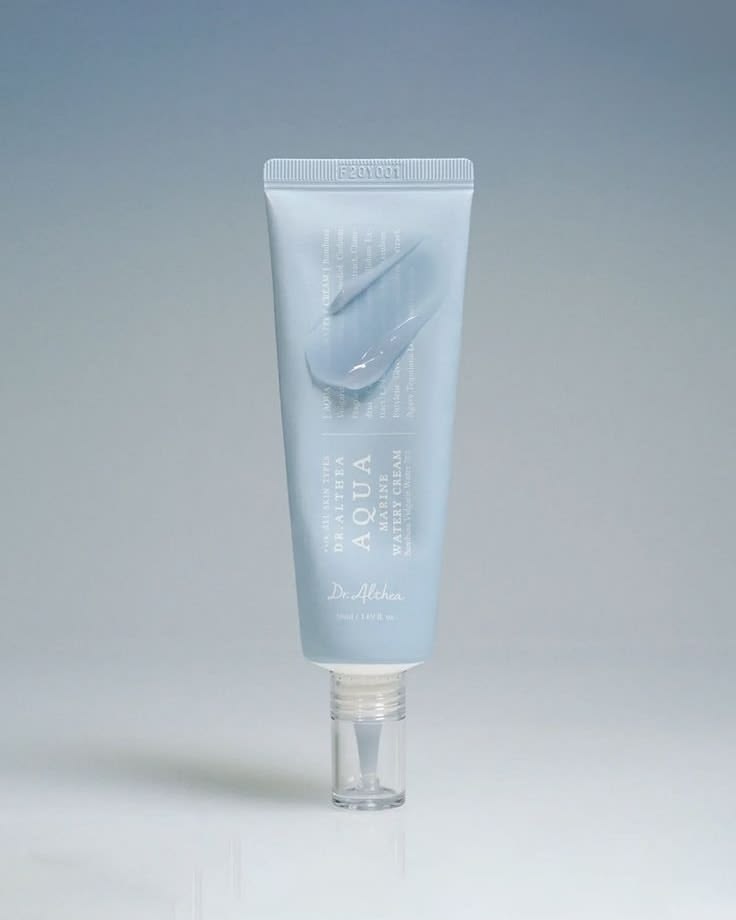
Centella asiatica (Cica)
A plant used across Asia to calm wounds. Reduces redness and helps repair the barrier. The best starting point if your skin reacts to everything.
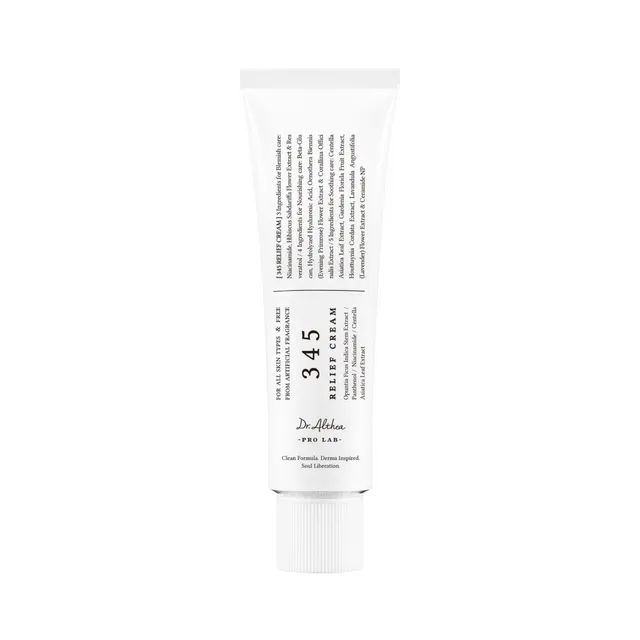
Panthenol (Pro-vitamin B5)
Humectant and repairing. Softens tightness and pairs well with strong actives so they sting less.
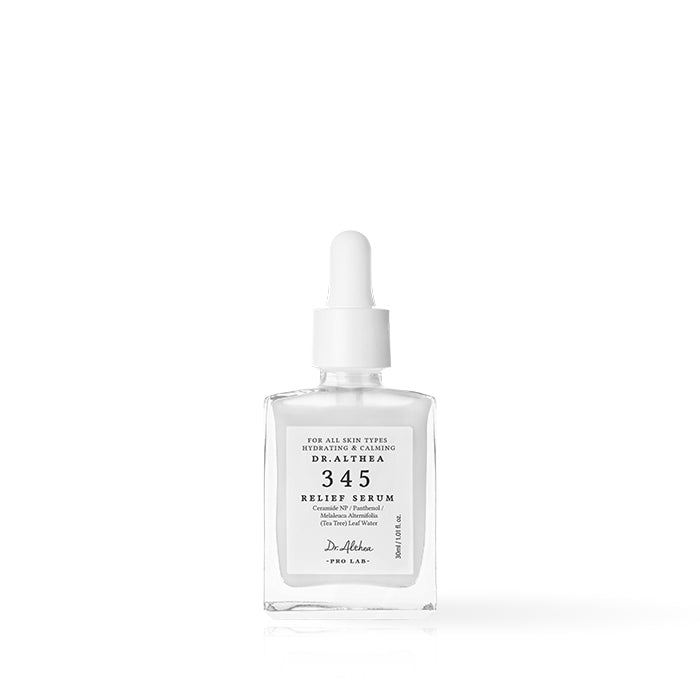
Ceramides
Part of the natural cement holding your skin barrier together. Replacing them matters if you have dry skin, flaking, or use retinoids.
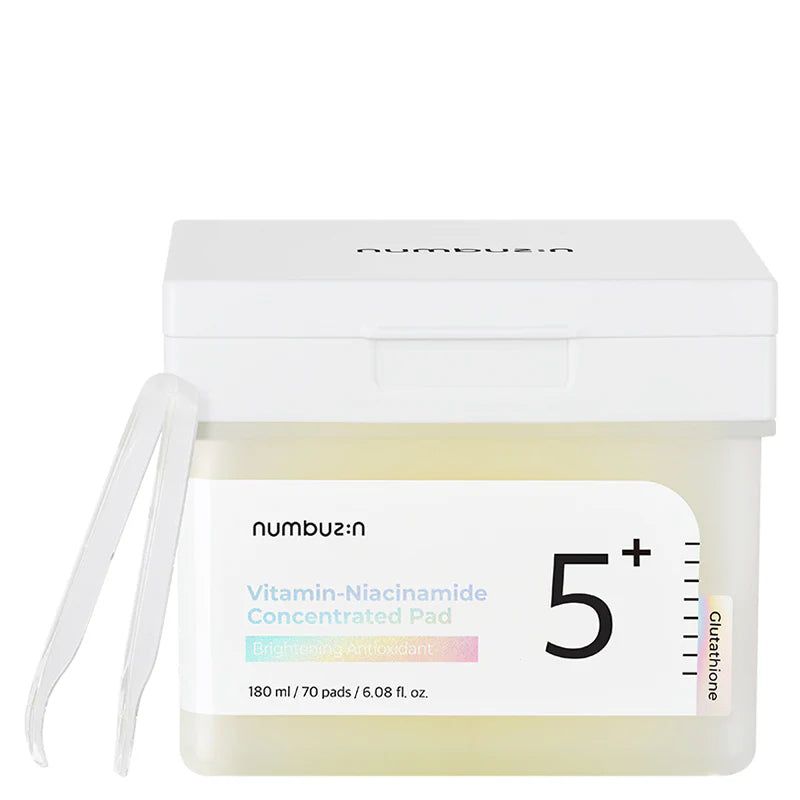
Peptides
Short amino acid chains that signal your skin to make collagen. Gradual and very well tolerated, unlike retinol.
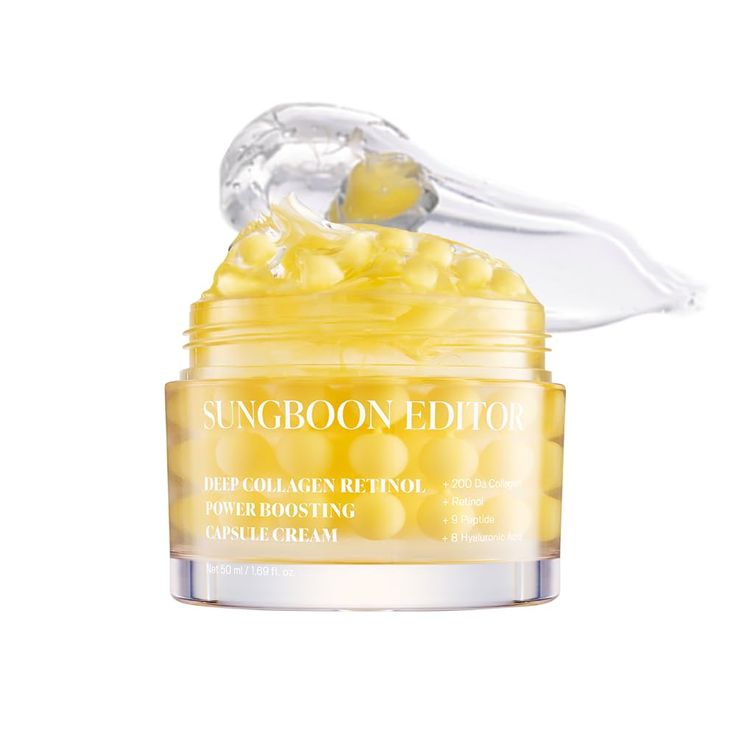
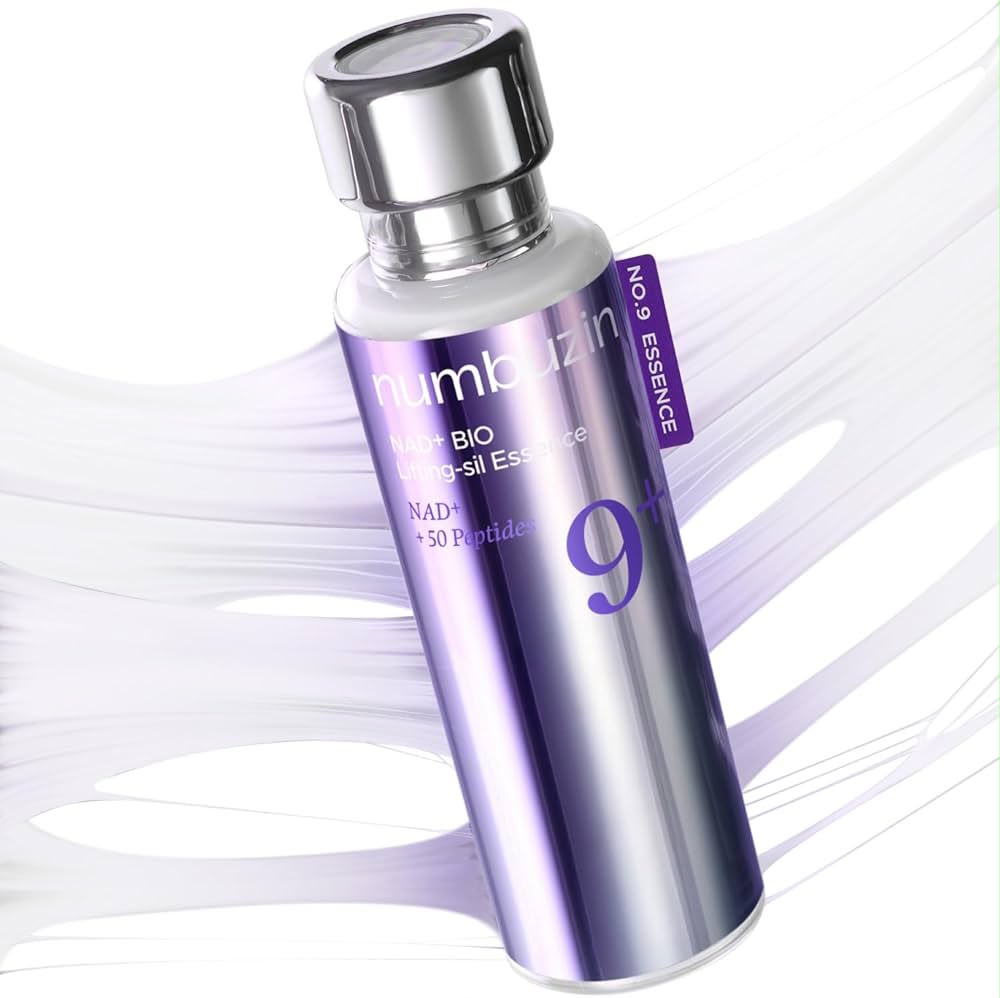
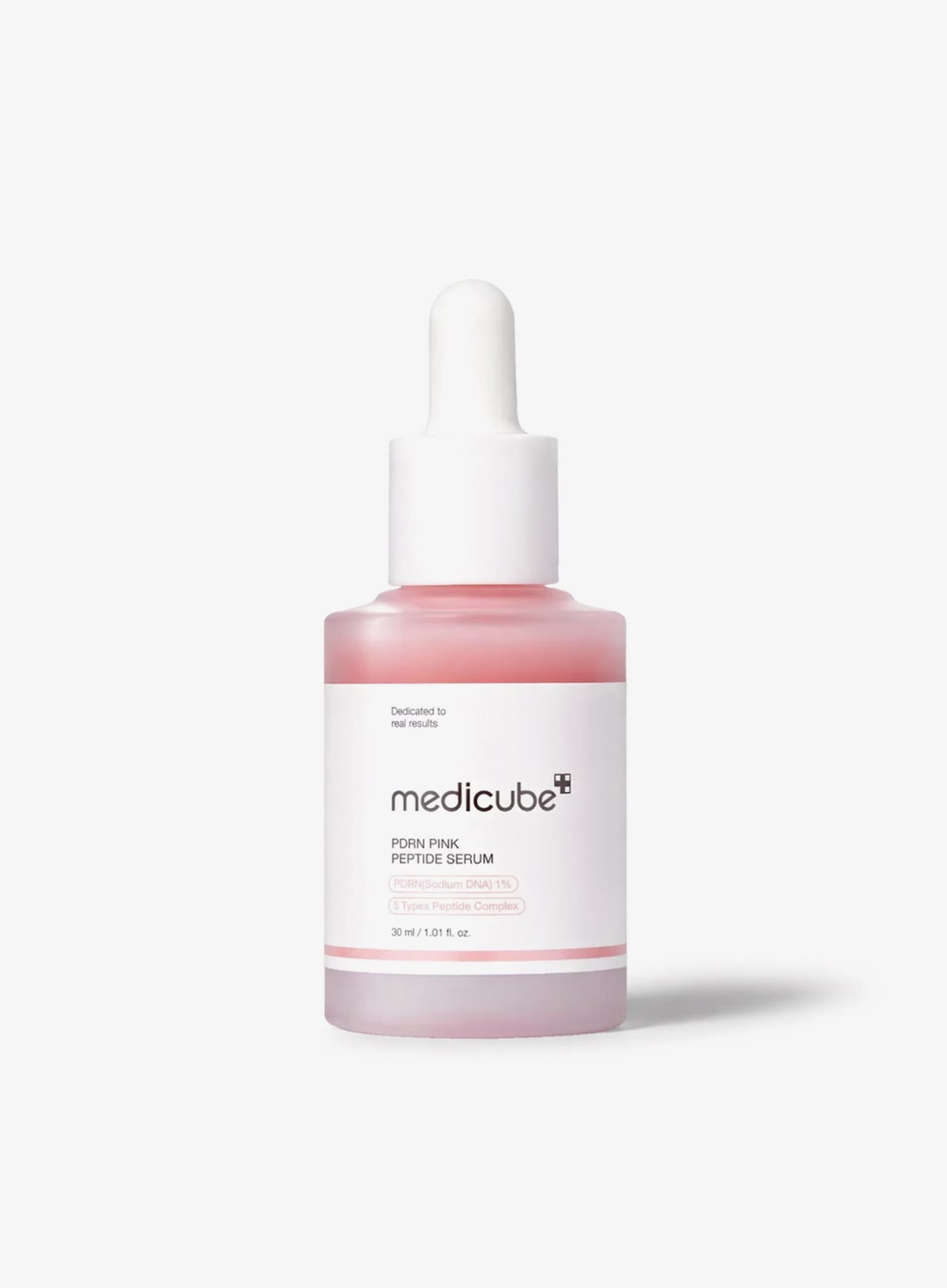
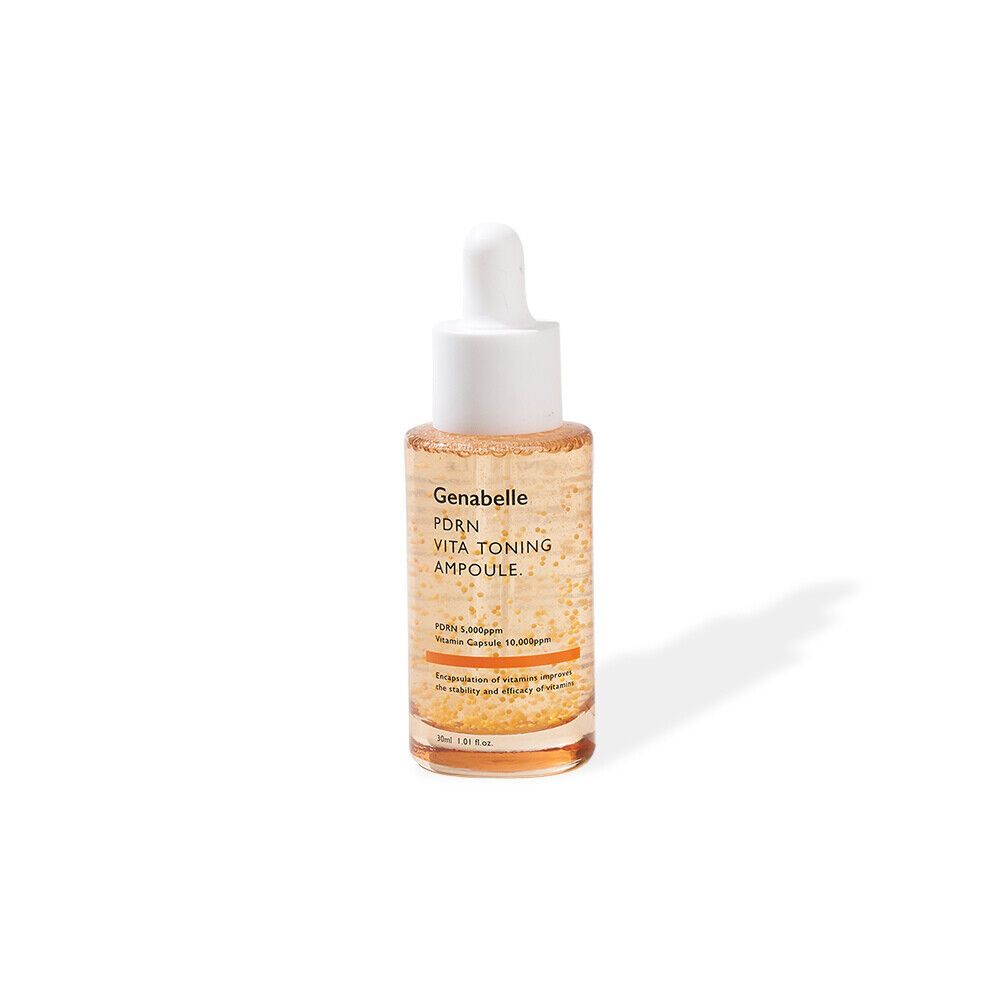
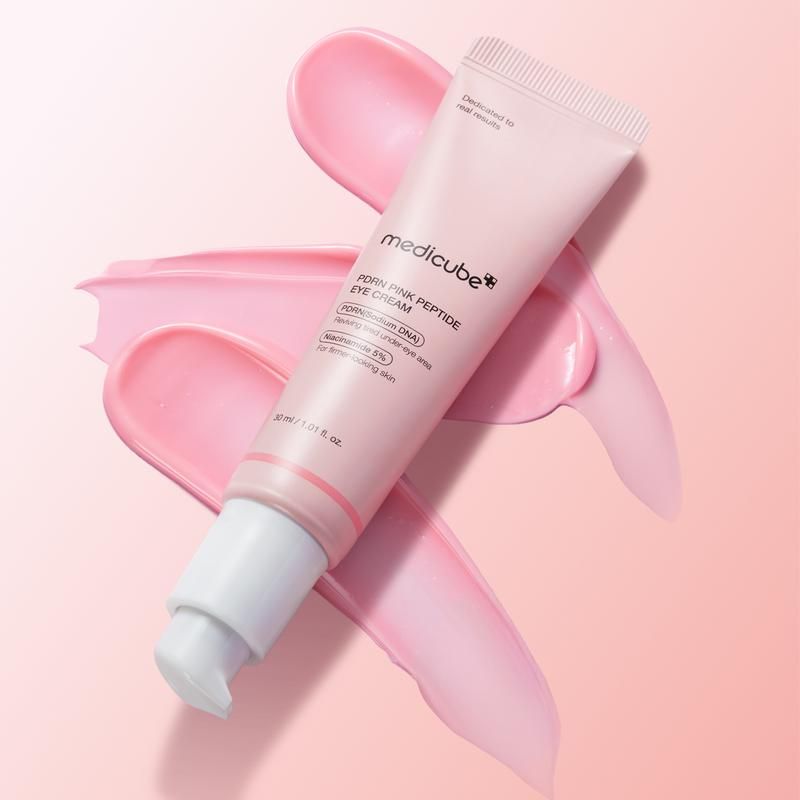
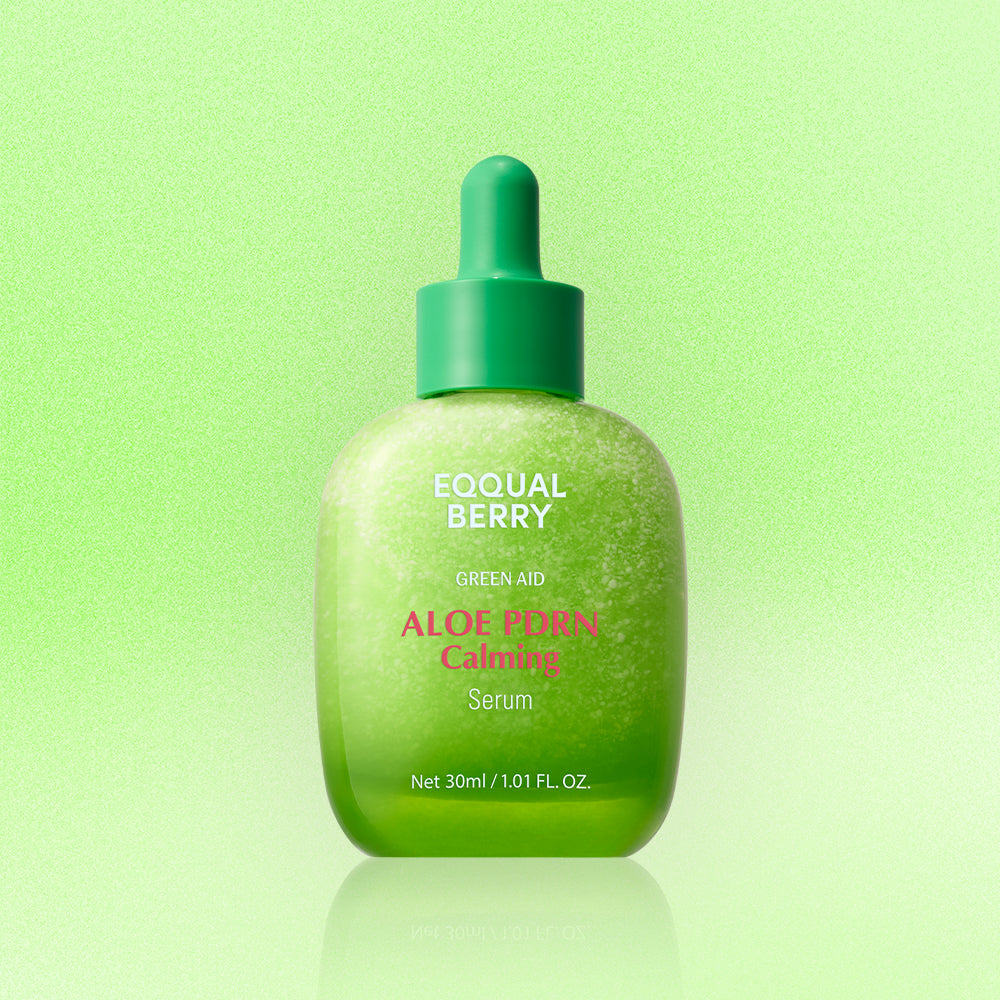
PDRN / Sodium DNA
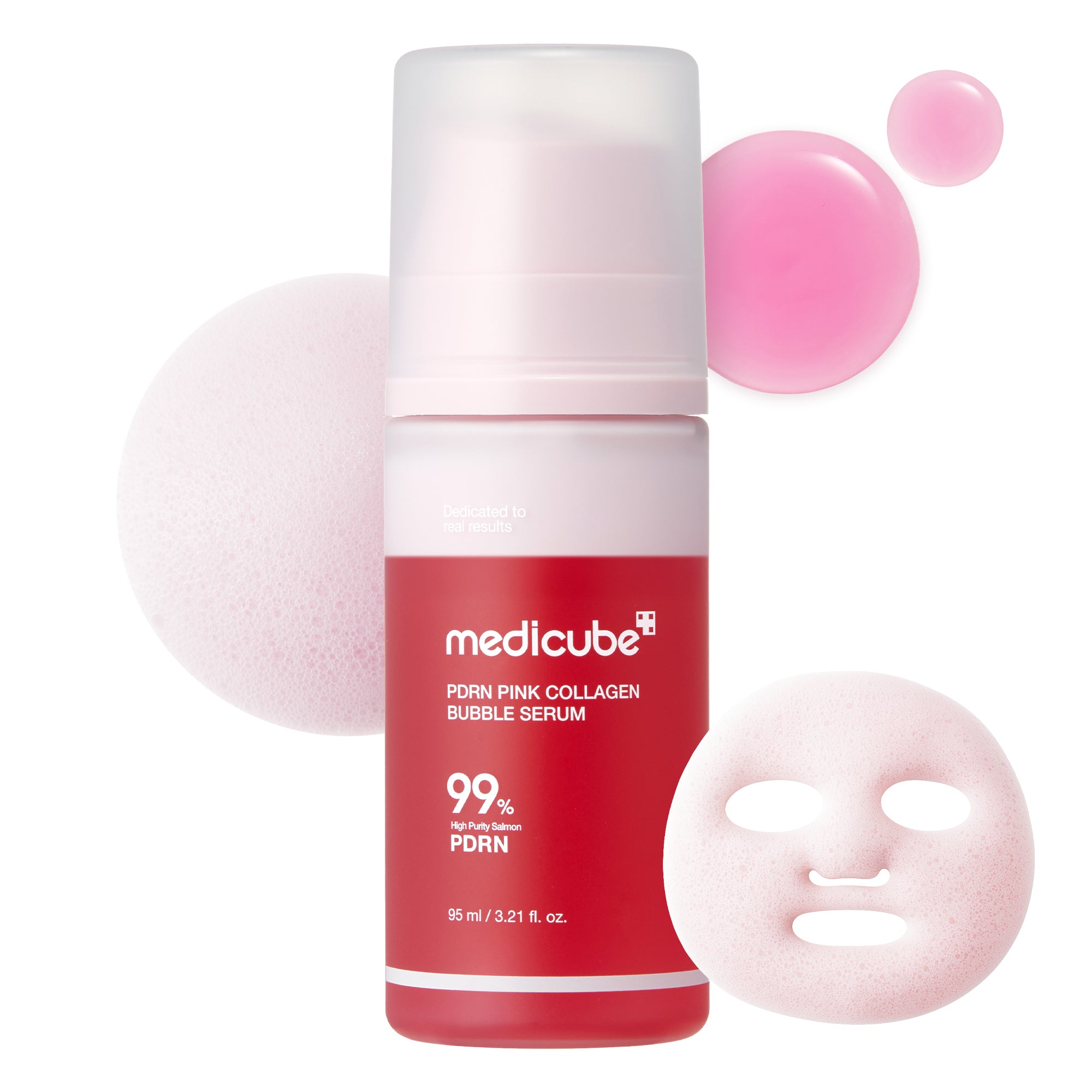
DNA fragments that stimulate regeneration. One of the most distinctive recent K-beauty actives: it repairs without irritating and improves elasticity.
Allantoin
A gentle soother that supports cell turnover. Shows up as a supporting act in formulas for reactive skin.
Vitamin C
Antioxidant that brightens and helps with dark spots. Use it in the morning and always with sunscreen. It may tingle at first on sensitive skin.
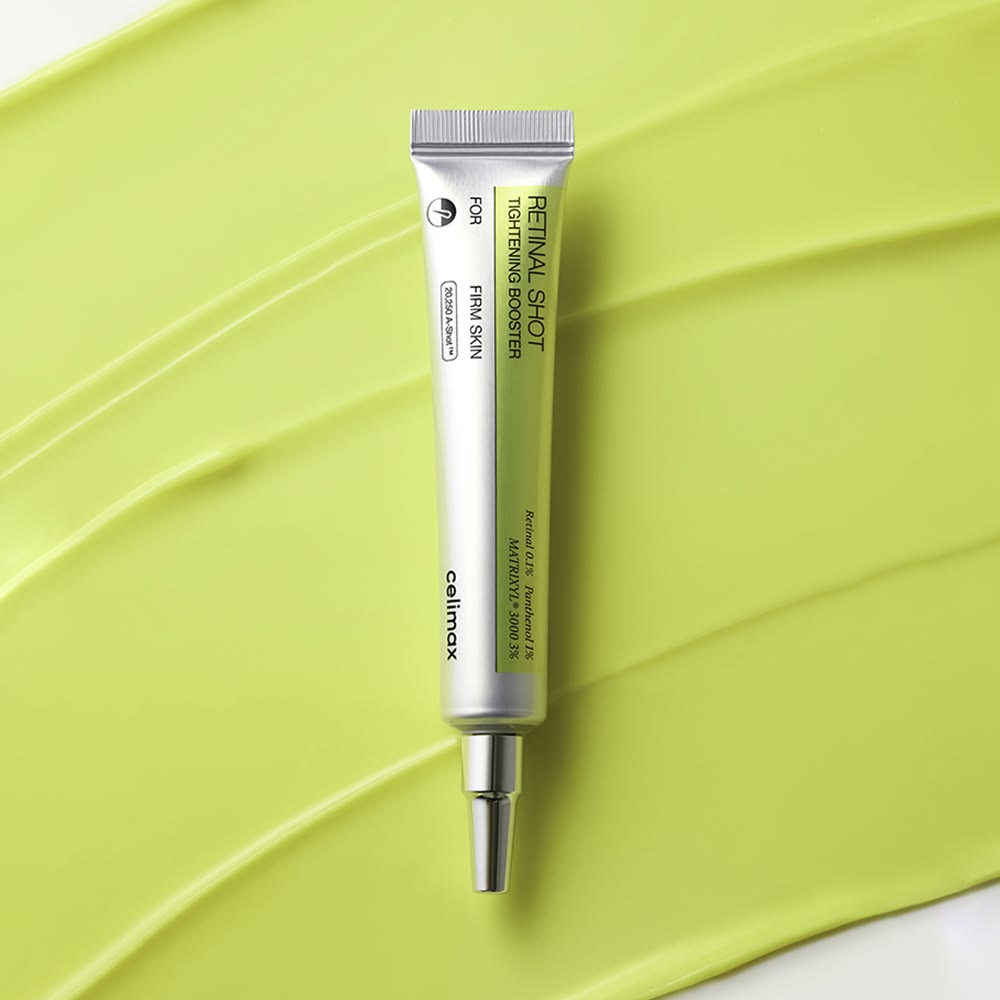
Retinol
The anti-ageing active with the most evidence behind it. Renews skin and softens lines, but it irritates if you rush: start two nights a week and never mix it with exfoliants.